First Steps After a Storm Damages a Tree
Assess the situation from a safe distance
When a storm has passed and you see damage to a tree on your property, the natural urge is to walk right up and inspect it. That can be dangerous. High winds often leave trees in an unstable state. A split trunk, a hanging limb, or a partially uprooted tree can shift or fall without warning. Before you go near it, look at the tree from inside your home or from a spot well away from its reach. Check for power lines that may be tangled in the branches or lying on the ground nearby. If you see a downed power line, stay back at least thirty feet and call the utility company immediately. Do not try to move the line yourself, and do not walk through puddles near it. Your safety and your family's safety come before anything else.
Keep everyone away from the damaged area
Once you have a general idea of the damage, set a clear perimeter. Rope off the area if you have cones or caution tape on hand. If not, use whatever you can to mark the danger zone. Tell children and guests to stay out of that part of the yard. A tree that looks stable can shed a heavy branch hours later as the wood dries and shifts. Even a tree that has already fallen can be under tension from twisted roots or leaning against another tree. Until a professional has looked at it, treat the whole area as unpredictable.
Check for immediate safety hazards to your home
Walk around the outside of your house and look at the roof, gutters, windows, and siding. A fallen tree or a large limb may have punched a hole in the roof or cracked a window. If you see roof impact, do not climb up to inspect it yourself. Roof damage can be hidden under shingles, and walking on a wet or damaged roof is risky. Instead, note what you can see from the ground and take photos for your insurance claim later. If a tree is leaning against the house, do not try to pull it away. The weight of the tree could cause more damage or bring down part of the structure. That kind of situation needs equipment and training to handle safely.
Look for blocked access and structural risks
Storms often leave trees or large branches blocking driveways, walkways, and garage doors. A blocked driveway can prevent you from leaving in an emergency, and it can also keep emergency vehicles from reaching your home. Note the location of any blockage and whether it is pressing against a structure. If a tree has fallen across your driveway but is not touching the house or any power lines, you may be tempted to start cutting it yourself. Think twice before doing that. A fallen tree is under tremendous force, and a chainsaw kickback or a sudden shift in the tree's weight can cause serious injury. In most cases, it is safer to call a professional who has the right tools and experience.
Document the damage for insurance purposes
Before you do any cleanup, take clear photos and videos of the damaged tree and any property it has hit. Include wide shots that show the tree in relation to your house, as well as close-ups of broken branches, the split trunk, and any damage to your roof, fence, or car. This documentation will help your insurance adjuster understand the scope of the loss. If you need to move a branch to get to a door or a car, take a picture of it first. Also write down the date and time of the storm, and keep any weather alerts or news reports that mention the storm in your area. Good records can make the claims process smoother.
Decide whether the tree can be saved
Not every storm-damaged tree has to come down. Some trees can recover if the damage is limited to a few broken branches and the main trunk and root system are intact. A tree with a split trunk, however, is a different story. A split that goes deep into the trunk or that separates the main leader from the rest of the tree usually means the tree is structurally unsound. Over time, that split will only grow worse, and the tree may fail in the next storm. If more than half of the tree's crown is damaged, the tree may not have enough leaves to feed itself and could decline over the next year or two. A professional arborist can tell you whether the tree is worth keeping or whether removal is the better choice. If you are unsure, do not guess. A wrong call can lead to more damage or injury later.
Call a professional for complex or dangerous work
Some storm damage is simple enough that a homeowner can handle it with basic tools. A few small broken branches that are within reach and not near power lines can be pruned with loppers or a pole saw. But anything involving a hanging limb, a split trunk, a tree leaning on a structure, or branches near power lines is best left to a qualified tree care company. Professionals have the training to assess risk, the equipment to work at height safely, and the experience to remove heavy wood without causing more damage to your property. They also carry insurance, which protects you if something goes wrong during the job. When you need help with storm-damaged trees, a reliable tree service in Dallas GA can respond quickly and handle the situation properly.
Address urgent hazards first, then plan the rest
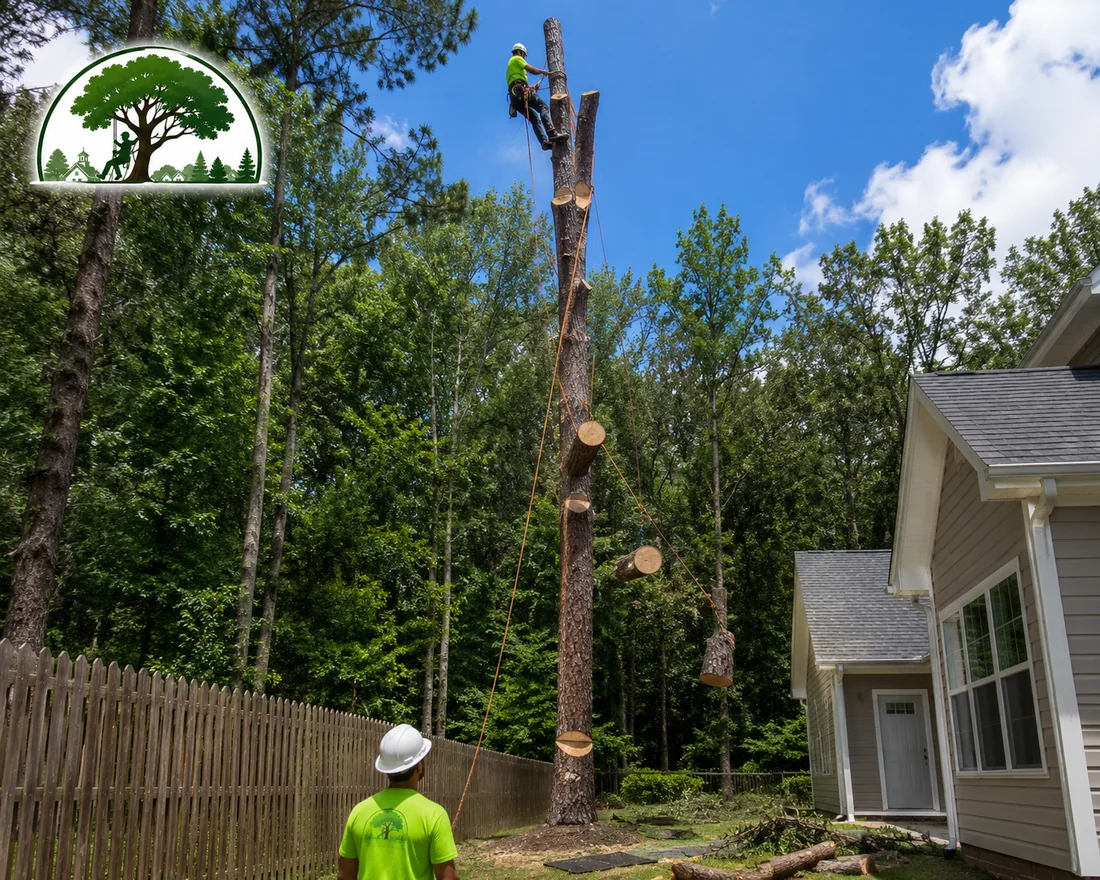
If the storm has left a tree hanging over your roof or blocking your only exit, that is the priority. Professionals call this site stabilization. They remove the immediate dangers first, then come back later for the rest of the cleanup if needed. This phased approach keeps your property safe without rushing into a full removal that may not be necessary right away. Let the crew know what you have already documented for insurance, and ask them to take their own photos as they work. Most tree services are familiar with the insurance process and can help you provide the right information to your adjuster.
Plan for stump grinding and debris cleanup
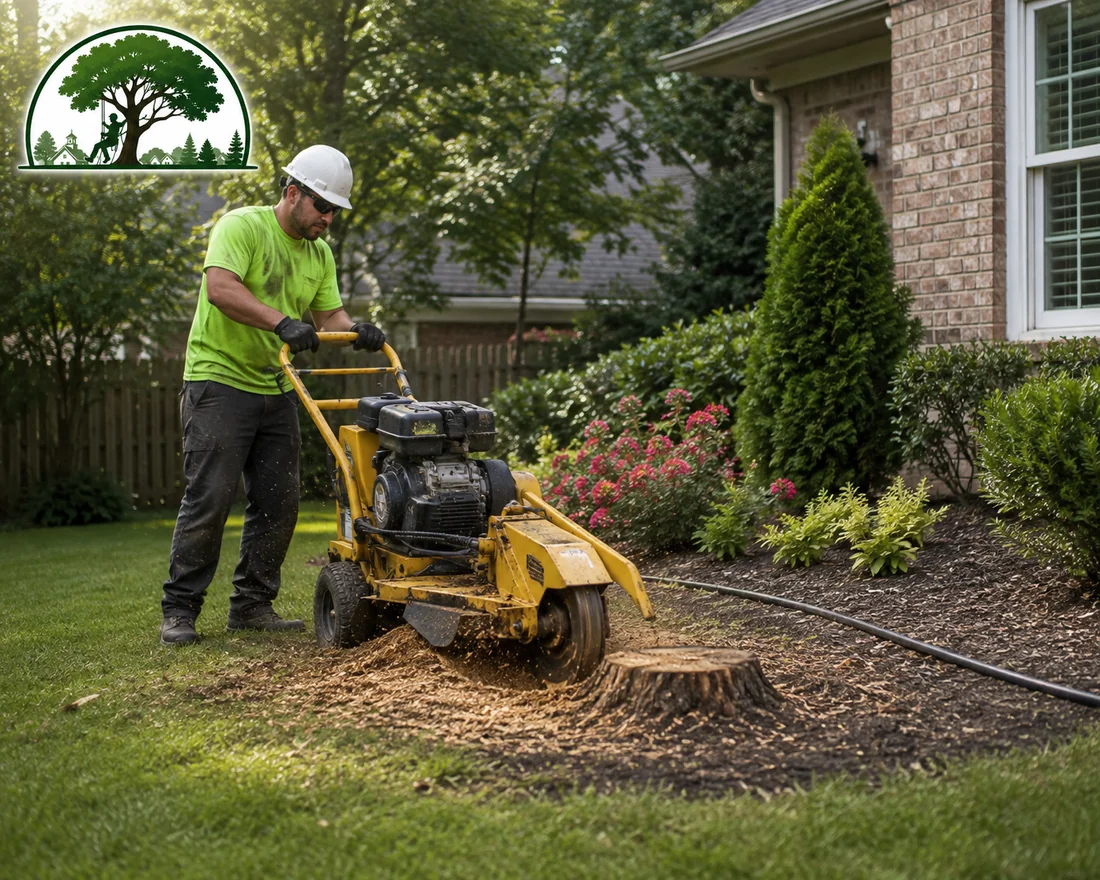
Once the damaged tree is removed, you are left with a stump and a pile of branches and wood chips. Stump grinding is usually a separate service, but it is worth doing if you plan to replant in that spot or if the stump is in a high-traffic area. Debris cleanup can also be handled by the same crew that removed the tree. Ask whether the quoted price includes hauling away the wood and leaving the site clean. Some companies offer a discount if you bundle removal, stump grinding, and cleanup together. Even if you decide to keep some of the wood for firewood, make sure the crew knows which pieces you want to keep and where you want them stacked. A good tree service in Dallas GA will work with you to leave the property in good shape.
Take steps to prevent future storm damage
After the immediate crisis is over, look at the trees that survived the storm. Are there any with dead branches, cracks, or signs of disease? Regular pruning can remove weak limbs before they become a hazard in the next storm. A tree with a narrow crotch angle or a history of splitting may benefit from cabling or bracing, which a certified arborist can install. Keeping your trees healthy also makes them more resilient. Deep watering during dry spells, mulching around the root zone, and avoiding soil compaction near the trunk all help a tree withstand high winds. You cannot storm-proof a tree, but you can reduce the odds of major damage by staying on top of routine care.
After a storm, the first few hours set the stage for a safe and efficient recovery. By staying calm, keeping your distance, documenting the damage, and calling the right help when you need it, you can protect your home and your family. The work may feel overwhelming at first, but taking it one step at a time makes it manageable. And when the job is too big or too dangerous, there is no shame in letting a professional handle it. That is what they are there for.
Ends · MATUREYARDGUIDE